 EN
EN

Waterproofing & Durability: The Key to Stable Outdoor Festival Lighting?
Outdoor failures hurt more during peak season. I see buyers lose time, money, and trust when “waterproof” is treated as one simple checkbox.
Waterproofing and durability are key to stable outdoor light festival operations because every part must survive rain, wind, UV, humidity, load, bending, and long display periods. I treat IP rating as one factor, not the whole decision.[^1]
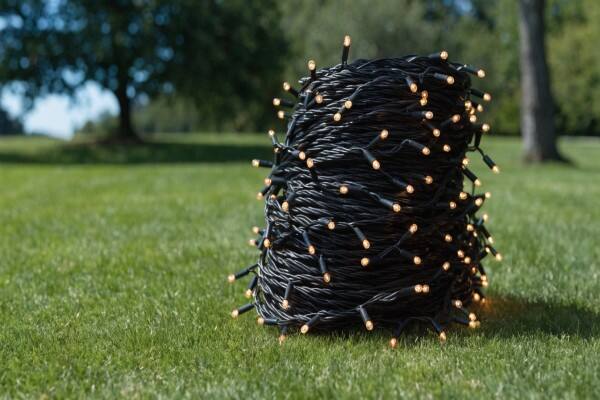
I often hear one early question from importers: “Is it waterproof?” I understand why they ask it. They need fast answers for buying meetings, retailer quotes, and project tenders. But I have also seen how this one question can hide many real risks. A light may pass a simple rain check, yet fail after weeks of wind, cable pulling, connector exposure, and repeated installation. So I prefer to slow the conversation down before I recommend any outdoor christmas light, string light, or festivel light product. I ask where the product will be installed, how long it will run, how it will be fixed, and which parts will be exposed. This small extra step can prevent large after-sales pressure later.
Why Is Waterproofing More Than One IP Rating?
A buyer may feel safe after seeing a high IP claim. I see risk when that claim only covers one part, not the full lighting system.
Waterproofing is more than one IP rating because outdoor reliability depends on the LED, cable, connector, controller, power supply, seal, and installation method working together under real conditions.[^2]
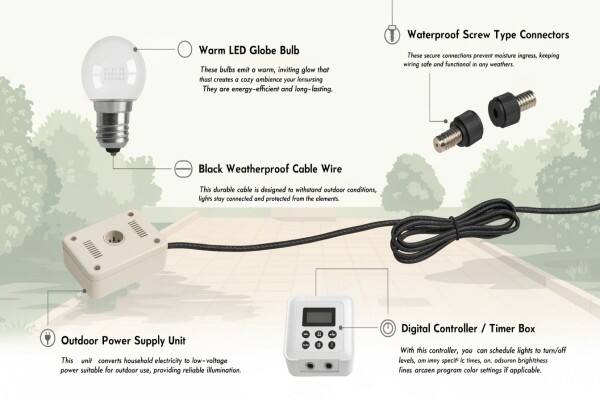
I have handled many pre-sales talks where the buyer first asked for “IP65 outdoor lights.” That request is normal. But I usually explain that the IP level of one component does not prove the full product will run well outdoors. A festival lighting product is a system. The weakest part can create the complaint[^3], even if the LED part looks strong.
For example, a decorative motif may use a waterproof LED string, but the controller may be placed in a low area where rainwater collects. A connector may be sealed, but it may still loosen if the installer pulls the cable during setup. A power supply may be protected, but the cable entry may face stress after hanging. These details matter more during a long season.
| Part I Check | Why I Check It | What Can Go Wrong |
|---|---|---|
| LED string | It is exposed across the whole decoration | Water entry, dim sections, flicker |
| Connector | It links parts together | Loose contact, water path, corrosion |
| Power supply | It controls safe power input | Heat, moisture, unstable output |
| Controller | It manages effects | Failure after water exposure |
| Cable | It carries load and power | Cracks, pulling damage, bending stress |
| Sealing area | It blocks water movement | Small gaps after movement or aging |
I do not treat this table as a lab report. I treat it as a practical checklist. It helps me guide importers toward the right product-market fit. If a buyer plans to sell outdoor string light products to a rainy coastal market, I would not review the product in the same way as a buyer selling short-term indoor mall décor. The risk is different. The product choice should also be different.
Why Can a Simple Rain Test Mislead Importers?
A short rain test can look convincing. I still see problems when buyers treat it as proof of long outdoor life.
A simple rain test may show short-term water resistance[^4], but it does not reflect wind, UV exposure, humidity, bending, hanging load, repeated setup, or weeks of outdoor operation.
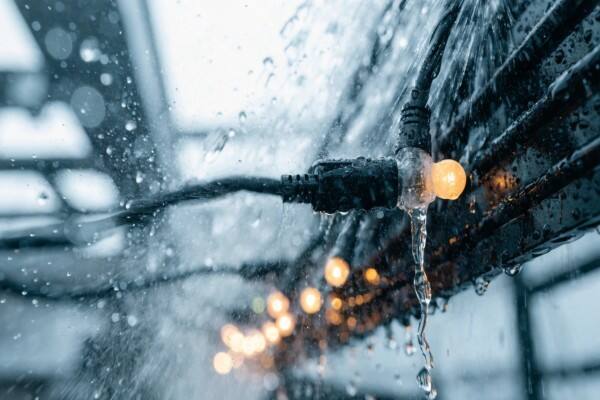
I understand why a buyer may ask for a rain video. It is quick. It is easy to show to a customer. It can support a quotation. But in our customer communication, I often remind buyers that real outdoor use is not a five-minute spray. Real outdoor use includes many pressures at the same time.
A christmas light may hang on a tree for two months. A large motif may face wind every night. A string light may bend around railings, arches, fences, and metal frames. Workers may install it fast because the project deadline is close. They may pull the cable harder than expected. They may remove and reinstall the product for the next season. All these actions test the product in a different way.
| Real Condition | Why It Matters | Buying Question I Ask |
|---|---|---|
| Long rain period | Water may find small gaps over time | Will it stay outdoors for weeks? |
| High humidity[^5] | Moisture can affect contacts | Is the area coastal or tropical? |
| Strong UV[^6] | Cable jacket may age faster | Will it face direct sun daily? |
| Wind load[^7] | Movement can stress joints | Will it hang freely or be fixed? |
| Bending[^8] | Internal wires may weaken | Will installers wrap it tightly? |
| Reuse | Parts face repeated handling | Will the product be seasonal reusable? |
I once spoke with a wholesaler who had a product that looked fine after a rain demo. The problem appeared later, after several weeks of retail sales. Some end users installed the lights on fences and pulled the lines tight. The complaint was not only about water. It was about water plus tension plus exposed connectors. That case taught me to look at waterproofing and durability together. I now ask more installation questions before I suggest a product. It is a simple habit, but it can reduce wrong product selection.
Why Can the Cheapest Outdoor Light Become Expensive?
A low unit price looks attractive in the buying season. I see the real cost appear when failures happen during the selling season.
The cheapest outdoor light can become expensive[^9] when returns, replacement shipments, retailer complaints, missed sales windows, and brand damage exceed the initial saving.
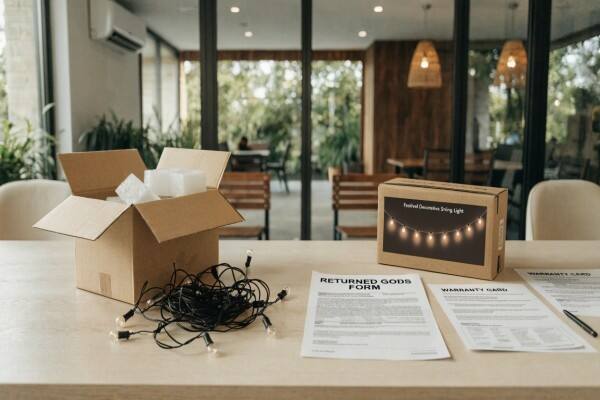
I respect price pressure. Importers and wholesalers compete in hard markets. Retailers push down costs. Project buyers compare many offers. I do not think a higher price is always better. But I do think the lowest price needs a deeper check when the product is for outdoor seasonal operation.
In peak season, timing is strict. A shipment delay can affect a retail launch. A failure during a city display can create public complaints. A replacement shipment may cost more than the original price difference. A retailer may ask for credit notes. A distributor may lose confidence in the supplier. These costs are not always visible in the first quotation sheet.
| Cost Area | How It Appears | Why It Hurts Importers |
|---|---|---|
| Return cost | Customers send back failed items | It adds handling and admin work |
| Replacement cost | New goods must be shipped fast | Air freight can destroy margin |
| Complaint pressure | Retailers demand answers | Sales teams lose time |
| Missed season | Goods arrive or fail too late | The sales window closes quickly[^10] |
| Brand trust | Buyers remember failures | Next year orders become harder |
| Project penalty | Contractor faces site issues | Relationship risk increases |
When I discuss outdoor string light or christmas light orders, I try to connect the product choice with the buyer’s sales model. A discount retailer may accept a different risk level than a municipal contractor. A one-season promotion may need a different structure than a reusable city decoration. This does not mean every order needs the highest specification. It means the price should match the real use. If the buyer only compares unit price, they may choose a product that looks cheaper but carries more after-sales risk. I prefer to make that risk clear before production, not after complaints start.
What Questions Should a Professional Supplier Ask Before Recommending Products?
A supplier who answers too fast may miss the real use case. I prefer to ask simple questions before I recommend an outdoor product.
A professional supplier should ask where the lights will be installed, how long they will run, which parts are exposed, and whether tension, bending, or repeated removal is expected.

In my daily work, I do not like to answer “yes, waterproof” and stop there. That answer may feel easy, but it may not protect the buyer. I prefer to ask direct questions. These questions help me understand whether the buyer needs a retail-ready product, a project-grade decoration, or a custom structure.
The first question is location. A product for a dry winter market may face different risk than a product for a humid coastal city. The second question is running time. A short event has different needs than a two-month festival. The third question is exposure. Sometimes the LEDs are outdoor rated, but the power supply or controller is placed in a risky position. The fourth question is installation stress. Many failures begin when a product is pulled, bent, squeezed, or hung without enough support.
| Question I Ask | What I Learn | How It Changes Recommendation |
|---|---|---|
| Where will it be installed? | Climate and exposure level | I choose sealing and cable more carefully |
| How long will it run? | Seasonal stress period | I check heat and long-term stability |
| Are connectors exposed? | Water entry risk | I suggest better connector protection |
| Is the controller outside? | Control box risk | I review placement and housing |
| Will installers pull the cable? | Mechanical stress | I consider stronger cable or support |
| Will it be reused? | Handling frequency | I check joint strength and packing |
I also ask if the buyer has local requirements to confirm. Different markets can have their own rules[^11], retailer requests, and safety expectations. I do not assume one answer fits all countries. The buyer should confirm market-specific rules with their local team or testing partner. My role is to support product selection from the manufacturing and trading side. I can help review practical structure, sealing, cable choice, packing, and usage fit. This conversation may take a little more time, but it often prevents a wrong product from entering the order.
How Should Importers Evaluate Waterproofing and Durability Before Ordering?
A catalog photo can make products look similar. I see better results when buyers compare details, samples, and use conditions together.
Importers should evaluate waterproofing and durability by checking the full system, asking use-case questions, reviewing samples, confirming exposed parts, and matching the product to the market.
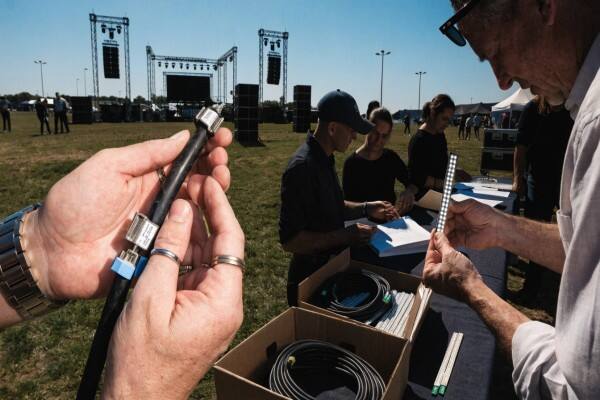
I suggest buyers build a simple evaluation routine before placing large outdoor orders. This routine does not need to be complex. It should be clear enough for the buying team, sales team, and supplier to discuss the same risks. A buyer should not only ask whether the product is waterproof. The buyer should ask how the product will be used, which part may fail first, and what after-sales pressure would look like if something goes wrong.
For a string light, I would check cable flexibility, LED sealing, connector quality, and power setup. For a christmas light motif, I would also check the frame, fixing points, hanging load, and cable routing. For a festivel light project, I would look at installation method, operating period, spare parts, and maintenance access. The evaluation changes with the product type.
| Evaluation Step | What I Suggest Checking | Why It Helps |
|---|---|---|
| Define use case | Retail, wholesale, project, rental | It sets the right risk level |
| Review full system | LED, cable, connector, power, controller | It avoids single-part thinking |
| Ask for samples | Check feel, structure, and details | It reveals practical differences |
| Discuss installation | Hanging, wrapping, fixing, removal | It shows mechanical stress |
| Check exposure | Rain path, ground contact, open joints | It reduces hidden water risk |
| Plan after-sales | Spare parts and replacement method | It controls peak-season pressure |
I also encourage buyers to share photos or drawings of the intended installation. A simple site photo can change the recommendation. If the power supply sits under a roof, the risk is different. If it sits near wet ground, the risk rises. If the light is wrapped around a sharp metal edge, the cable choice matters. If the installer removes the product every year, connector and joint strength matter. I see outdoor reliability as a buying decision, not only a technical note. When the buyer gives better use information, I can give a better recommendation.
How Can Better Waterproof Planning Reduce After-Sales Pressure?
After-sales pressure grows fast when outdoor failures happen. I have seen small early decisions reduce many later complaints.
Better waterproof planning reduces after-sales pressure because the supplier and buyer choose products that match climate, installation, exposure, running time, and customer expectations before shipment.
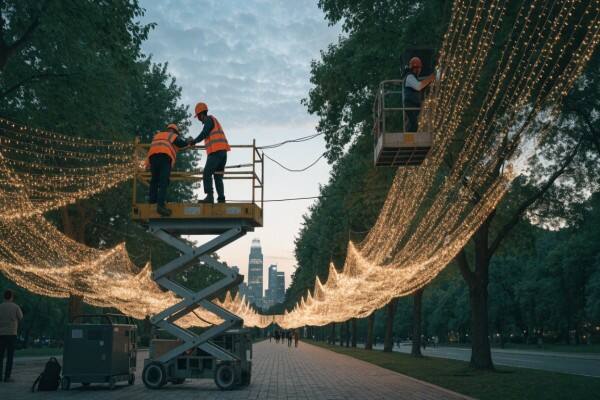
I have seen importers face replacement pressure when product use was not clear at the start. Sometimes the product was not bad by itself. It was just not the right product for that outdoor condition. That difference matters. If a buyer sells a light for mild outdoor use, but the end customer uses it in heavy rain with exposed power parts, complaints can still arrive. If the selling message is not clear, the customer may expect more than the product can support.
I believe better planning starts with clear product positioning. The buyer should know if the item is for covered outdoor areas, open outdoor display, temporary event use, or long seasonal operation. The supplier should explain the limits in simple words. The packing, manual, and sales description should also match the real product.[^12] This helps the importer avoid overpromising.
| Planning Area | What I Recommend | Benefit for Importer |
|---|---|---|
| Product positioning | Define real outdoor use level | Fewer wrong customer expectations |
| Installation guidance | Give basic placement advice | Fewer avoidable failures |
| Exposed part review | Protect power and control parts | Lower complaint risk |
| Spare part plan | Prepare key replacement items | Faster after-sales response |
| Clear sales wording | Avoid vague waterproof claims | Lower dispute pressure |
| Supplier communication | Share climate and use details | Better product fit |
I do not promise zero failure in every outdoor environment. Outdoor lighting always faces real-world variables. But I do believe that many problems can be reduced before shipment. A good buying process makes the risk visible. A good supplier asks practical questions. A good importer shares real market needs. When these three things happen together, the product has a better chance to perform through the season. The buyer also has a better chance to protect margin, reputation, and long-term customer trust.
Conclusion
I treat waterproofing as a full-system risk decision, because stable outdoor festival lighting depends on product fit, installation reality, and clear buyer-supplier communication.
[^1]: "IP code - Simple English Wikipedia, the free encyclopedia", https://simple.wikipedia.org/wiki/IP_code. IEC 60529 defines IP ratings as degrees of protection provided by enclosures against solid objects and water ingress, indicating that the code does not by itself evaluate UV ageing, mechanical loading, installation stress, or overall product lifetime. Evidence role: definition; source type: institution. Supports: IP ratings classify enclosure protection against ingress of solids and water rather than the full range of outdoor durability factors.. Scope note: This supports the limited scope of IP ratings, not the author's broader purchasing framework.
[^2]: "[PDF] Understanding Series and Parallel Systems Reliability", https://web.cortland.edu/matresearch/SerieslParallelSTART.pdf. Reliability engineering literature treats product performance as a system-level outcome influenced by component reliability, interconnections, environmental exposure, and use conditions. Evidence role: general_support; source type: education. Supports: Reliability of a product system is affected by the reliability of its components, interfaces, and operating environment.. Scope note: This is contextual engineering support and does not test the specific lighting products described in the article.
[^3]: "[PDF] Understanding Series and Parallel Systems Reliability", https://web.cortland.edu/matresearch/SerieslParallelSTART.pdf. Series-system reliability models describe systems in which the failure of any required component can result in failure of the whole system function. Evidence role: mechanism; source type: education. Supports: In a system where components are required for operation, one component failure can cause system-level failure.. Scope note: The model is a general reliability principle; actual lighting assemblies may include redundancies or partial-failure modes. [^4]: "IEC 60068-2 Electronic Equipment & Product Standards", https://www.desolutions.com/testing-services/test-standards/iec-60068-2. Environmental testing standards such as IEC 60068 address distinct stress conditions, including water exposure, damp heat, temperature cycling, and mechanical stress, showing that a brief water test is not equivalent to a full outdoor durability assessment. Evidence role: mechanism; source type: institution. Supports: Environmental testing separates different stressors such as water, humidity, temperature, vibration, and ageing because short water exposure alone does not represent all field conditions.. Scope note: This supports the testing logic generally and does not prove the failure rate of any specific product.
[^5]: "Humidity and Electronics - ScienceDirect.com", https://www.sciencedirect.com/book/9780323908535/humidity-and-electronics. Electronics reliability studies report that elevated humidity can accelerate corrosion and other moisture-related degradation mechanisms in electrical contacts and connectors. Evidence role: mechanism; source type: paper. Supports: Moisture and humidity can promote corrosion or leakage paths in electrical contacts and connectors..
[^6]: "Effects of UV radiation on natural and synthetic materials - PMC", https://pmc.ncbi.nlm.nih.gov/articles/PMC10088630/. Materials research on polymer weathering shows that ultraviolet exposure can break chemical bonds, promote oxidation, and reduce the mechanical performance of plastics and cable-jacket materials used outdoors. Evidence role: mechanism; source type: paper. Supports: Ultraviolet radiation can degrade polymers used in cable insulation and jackets, affecting mechanical properties over time..
[^7]: "[PDF] Reliability of inelastic wind excited structures by dynamic ...", https://par.nsf.gov/servlets/purl/10538694. Structural engineering standards for wind loading identify wind as a design load on exposed components and assemblies, supporting the view that freely hanging or mounted decorations may experience mechanical stress from wind. Evidence role: mechanism; source type: institution. Supports: Objects exposed outdoors can experience wind loads that create forces and movement requiring structural consideration.. Scope note: This provides general wind-loading context rather than a lighting-specific test result.
[^8]: "Bending Fatigue Response of Grouted Stay Cables / FHWA/TX-08 ...", https://library.ctr.utexas.edu/Presto/content/Detail.aspx?ctID=UHVibGljYXRpb25fMTE2MTA%3D&rID=MTE1OTQ%3D&ssid=c2NyZWVuSURfMjEzMjI%3D&bmdc=MQ%3D%3D. Studies of cable and conductor fatigue show that cyclic bending can cause mechanical damage, including conductor fatigue and insulation stress, especially when bend radius and handling conditions are severe. Evidence role: mechanism; source type: paper. Supports: Repeated bending and tight bend radii can damage conductors, insulation, or cable assemblies over time..
[^9]: "[PDF] A Part Total Cost of Ownership Model for Long Life Cycle Electronic ...", http://escml.umd.edu/Papers/Prabhakar_and_Sandborn_IJCIM_Second_Review.pdf. Cost-of-quality and total-cost-of-ownership literature distinguishes purchase price from downstream costs such as warranty service, returns, replacement logistics, and administrative handling. Evidence role: general_support; source type: paper. Supports: Procurement decisions based only on purchase price can underestimate downstream costs associated with poor quality.. Scope note: This supports the general economic principle but does not quantify costs for outdoor festival lights specifically.
[^10]: "Lot-sizing and pricing decisions for perishable products under three ...", https://pmc.ncbi.nlm.nih.gov/articles/PMC8493055/. Research on seasonal demand and retail inventory describes products with short selling seasons as time-sensitive, because unmet demand or delayed supply cannot always be recovered after the peak period ends. Evidence role: general_support; source type: paper. Supports: Seasonal retail goods face time-limited demand, making late availability or in-season failure more costly.. Scope note: The evidence is contextual for seasonal retail and not specific to decorative lighting.
[^11]: "Types of products requiring NRTL approval - OSHA", http://www.osha.gov/nationally-recognized-testing-laboratory-program/products-requiring-approval. Official regulatory materials, such as the European Union Low Voltage Directive framework and United States NRTL requirements, show that electrical product compliance obligations vary by market and conformity system. Evidence role: general_support; source type: government. Supports: Electrical products are subject to jurisdiction-specific safety and conformity requirements.. Scope note: These examples demonstrate regulatory variation but do not list every applicable rule for every target country.
[^12]: "FTC Policy Statement Regarding Advertising Substantiation", https://www.ftc.gov/legal-library/browse/ftc-policy-statement-regarding-advertising-substantiation. Consumer protection and product safety guidance emphasizes that product performance claims should be substantiated and that instructions and warnings should address foreseeable use and product limitations. Evidence role: expert_consensus; source type: government. Supports: Consumer product claims and instructions should be substantiated and aligned with safe, foreseeable use.. Scope note: This supports the communication principle rather than directly measuring complaint reduction for outdoor lights.
Table of Contents
- Waterproofing & Durability: The Key to Stable Outdoor Festival Lighting?
- Why Is Waterproofing More Than One IP Rating?
- Why Can a Simple Rain Test Mislead Importers?
- Why Can the Cheapest Outdoor Light Become Expensive?
- What Questions Should a Professional Supplier Ask Before Recommending Products?
- How Should Importers Evaluate Waterproofing and Durability Before Ordering?
- How Can Better Waterproof Planning Reduce After-Sales Pressure?
- Conclusion