 EN
EN

Světelné festivaly v sousedství: Poskytujeme kompletní nájemní řešení pro komunity?
Malé festivaly mohou vypadat jednoduše. Vidím, jak pronajímatelské marže mizí, když produkty dorazí pozdě, motivy nesouhlasí a údržba se stává nepřehlednou.
Komplexní nájemní řešení pro světelné festivaly v místních čtvrtích je opakovaně použitelný balíček dodávek produktů. Sestavuji ho z modulárních řetězcových světel, vánočních světel, světel pro festivaly a světel s motivy [^1], které je snadné přizpůsobit, zabalit, přepravit, nainstalovat místními týmy, udržovat a znovu pronajmout.
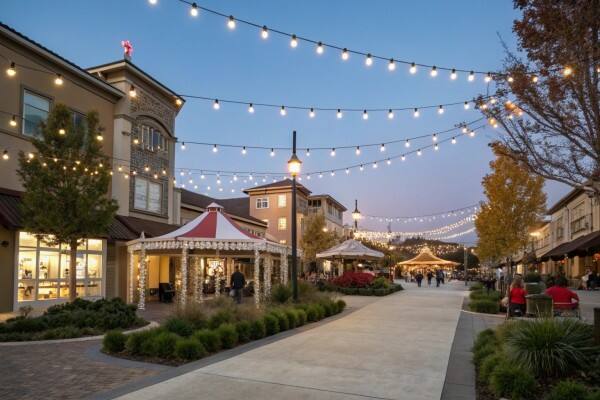
Často se před začátkem sezóny bavím s nájemními společnostmi. Nejprve se ptají na krásný balíček. Poté kladou náročnější otázky. Ptají se, kolik kartonů bude odesláno. Ptají se, zda rámce světel s motivy vydrží ve veřejném prostoru. Ptají se, zda lze řetězcová světla jednoduše propojit. Ptají se, zda lze téma vánočních světel později změnit na jiné svátkové téma. Tyto otázky ukazují skutečnou výzvu. Výzvou není pouze zakoupení většího množství světel. Výzvou je vytvořit systém produktů, který lze přesunovat, umístit, provozovat a vrátit.
Proč rozptýlené nákupy oslabují nabídku pronájmu světel pro místní světelné festivaly?
Nájemní nabídka může na papíře vypadat atraktivně. Já ji však považuji za drahou, pokud každý výrobek má jinou velikost, zástrčku, rámeček a způsob balení.
Rozptýlené zakoupení oslabuje nájemní nabídku pro světelný festival v sousedství, protože vznikají skryté náklady. Tyto náklady vidím v nesouladu témat, špatném balení, obtížné dopravě, nejasné logice instalace, pomalých opravách a vyšším sezónním tlaku.
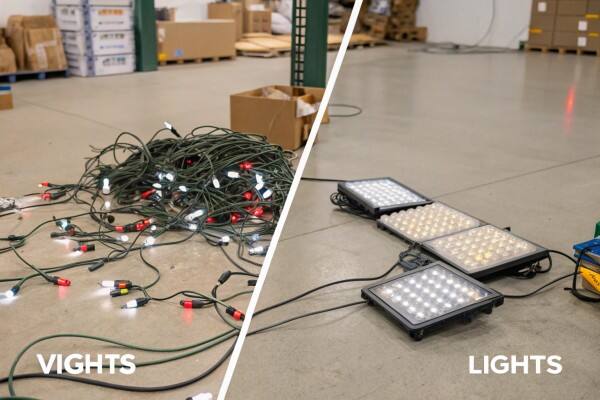
Nejprve se zaměřuji na skryté náklady
Při posuzování dotazů od nájemců nezohledňuji pouze ceny jednotlivých položek. Zaměřuji se na to, jak se celý komplet bude chovat po doručení. Nízká cena jednotlivé položky se může změnit na vysoké celkové náklady, pokud položky spolu nefungují jako celek [^2]. Jedna dávka řetězcových světel může používat jeden typ konektoru. Jiná dávka může používat jiný typ zástrčky. Jeden motivový světelník může vyžadovat speciální podstavec rámu. Jiný může vyžadovat jiný bod uchycení. Tyto drobné problémy zpomalují místní tým pro instalaci. Instalační službu na místě neposkytuji, ale vím, že logika výrobků může tuto práci usnadnit nebo naopak ztížit.
| Problém rozptýleného nákupu | To, co často vidím | Riziko pronájmu |
|---|---|---|
| Smíšené motivy | Sněhové vločky, hvězdy, zvířata a stromy nesouhlasí | Balení vypadá náhodně |
| Různé rozměry balení | Kartony se špatně srovnávají do hromady | Přeprava a skladování plýtvají místem |
| Nejasná logika propojení | Kabely a zásuvky se liší | Práce na místě trvá déle |
| Přísná kontrola náhradních dílů | Každá položka vyžaduje jiné díly | Opravy se zpomalují |
| Různé povrchové úpravy | Barvy a světlé tóny se liší | Výstavní plocha vypadá méně profesionálně |
Zároveň ověřuji i hodnotu pro opakované použití
Pronájmový balíček pro sousedský festival by měl být po ukončení události vrácen do skladu a znovu použit [^3]. Pokud zakoupím příliš mnoho jednorázových tvarů, mohu sice vytvořit skvělou první prezentaci, ale pronájmový majetek bude slabý. Raději nejprve vytvořím základní sadu. Poté podle tématu přidávám speciální kusy. Tím zůstává nabídka flexibilní. Zároveň tak chráním marži, protože stejná základní sada může podporovat osvětlení pro vánoční světlo, světlo pro zimní festival, Nový rok i obecné komunitní akce s minimálními úpravami.
Jaké moduly bych měl zahrnout do portfolia světelných prvků pro festivaly, které jsou připraveny k pronájmu?
I nádherný plán může selhat, pokud nemá žádnou strukturu. Vždy začínám opakovatelnými moduly, než se pustím do diskuse o barvách, ikonách nebo vlastních tvarech.
Vytvářím portfolia světelných prvků pro festivaly, které jsou připraveny k pronájmu, a zahrnuji do nich vstupní prvky, dekorace cestiček, pokrytí řetězcovými světly, skupiny motivových světel, fotografická místa a jeden hlavní vizuální prvek. Každý modul by měl být znovupoužitelný, jasně zabalený a snadno uspořádatelný místními týmy.
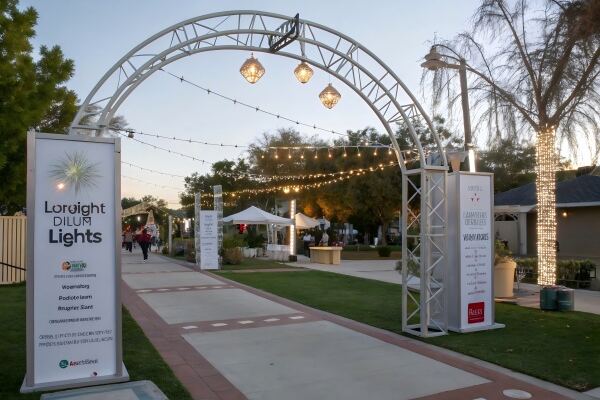
Balíček dělím podle pohybu návštěvníků [^4]
Když mě distributor nebo společnost specializující se na pronájem požádá o „klíčové“ řešení, nejprve se ptám, jak si představují prodej balíčku. Neptám se na povolení ani na provoz akce na místě, protože to není moje odpovědnost. Ptám se na zóny produktů. Světelný festival v městské čtvrti obvykle vyžaduje jasný vstup, trasu, několik malých výstavních bodů a jeden silnější středový bod. Tato struktura pomáhá kupujícímu přesněji stanovit cenu pronájmového balíčku.
| Modul | Příklady produktů | Hlavní funkce |
|---|---|---|
| Vstupní prvek | Tvarový oblouk, rámový vchod, motiv připravený pro logo | Označuje začátek akce |
| Dekorace chodníku | Motivy na tyčích, visící hvězdy, malé stromky | Urychluje a řídí pohyb návštěvníků |
| Pokrytí řetězcovými světly | Řetězcová světla teplé bílé barvy, řetězcová světla RGB, záclonová světla | Vyplňuje stromy, ploty a nadhlavní prostory |
| Skupina světelných motivů | Sněhové vločky, zvonky, sobi, dárkové krabičky | Vytváří sezónní motiv |
| Fotografické místo | 3D rámec, procházkové srdce, výkladové sedadlo | Vytváří prostor pro návštěvníky, který lze sdílet |
| Hlavní vizuální výklad | Velký strom, velký oblouk, kombinovaná motivová zeď | Poskytuje balíčku klíčový prodejní argument |
Udržuji každý modul nezávislý
Pronajímatelný balíček by neměl přestat fungovat, pokud se nepoužije jedna jeho část. Mám rád, když každý modul funguje samostatně. Sada cestiček by měla být funkční i bez hlavního vizuálního výkladu. Fotografické místo by mělo dávat smysl i bez všech prvků Motif Light. To usnadňuje pronájem balíčku různě velkým komunitám. Zároveň činí prodejní nabídku flexibilnější. Kupující může prodávat malou verzi, standardní verzi a premium verzi na základě stejného produktového základu.
Motivy používám jako vrstvy
Nepovažuji téma za pevný jednorázový design. Považuji ho za vrstvu. Základní vrstva může být tvořena teplě bílými řetězovými světly, odolnými rámy a standardním venkovním elektrickým přívodem. Vrstva s tématem může zahrnovat vánoční světelné motivy, zimní ikony, barvy místní kultury nebo vlastní loga. Tímto způsobem mohu pomoci kupujícímu obnovit vzhled bez nutnosti výměny celého systému každou sezónu.
Jak mám zpracovat individualizaci, aniž bych zpomaloval dodání v rámci sezóny?
Individualizace vypadá v brožuře jednoduše. Vím, že se stává riskantní, pokud jsou výkresy, vzorky, schválení a výroba zahájeny příliš pozdě.
Individualizaci zpracovávám oddělením pevných modulů od individuálních vrstev. Konstrukci uzamknu již v rané fázi, nejprve potvrzuji rozměry a elektrické údaje a poté individualizuji barvy, motivy, loga a balení v rámci jasně daného výrobního harmonogramu.
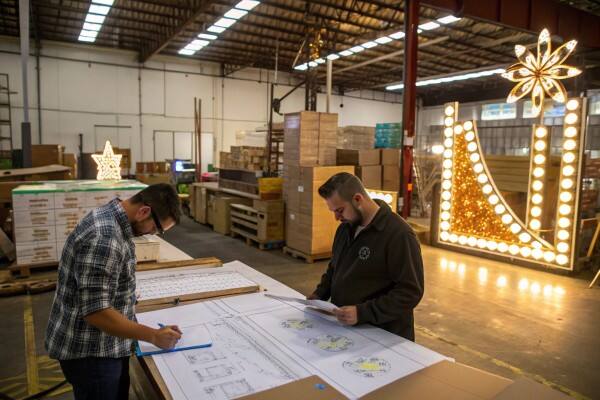
Odděluji to, co se musí změnit, od toho, co může zůstat stejné
Mnoho kupujících se mě ptá, zda mohu přizpůsobit balíček vánočních světel pro sousedský festival. Obvykle odpovídám ano, ale také se ptám, která část má být přizpůsobená. Pokud se změní každý detail, termín dodání se stane napjatým. Pokud zůstanou standardní rozměry rámu, uspořádání kabelů a způsob balení, přizpůsobení se stane jednodušším. Můžu se pak soustředit na viditelné detaily. Mezi tyto detaily patří například teplota světla, barva LED diod, motivový vzor, tištěné informační tabulky, logo nebo štítky na vnějších kartonových krabicích.
| Přizpůsobená část | Úroveň rizika | Moje obvyklá doporučení |
|---|---|---|
| Barva LED diod a světelný efekt | Nízké až střední | Potvrďte včas pomocí ukázkových fotografií nebo videí |
| Tvar motivu | Střední | Kdykoli je to možné, používejte standardní rozměry rámu |
| Logo nebo text | Střední | Potvrďte grafický návrh před zahájením výroby |
| Zvláštní velká konstrukce | Vysoký | Začněte mnohem dříve a přezkoumejte výkresy |
| Zakázkové balení | Střední | Potvrďte označení kartonů a názvy modulů před expedicí |
Používám jednoduchý časový plán
U kupujících zaměřených na sezónní pronájem je čas často důležitější než jedna malá změna designu. Obvykle navrhuji jasnou cestu objednávky. Za prvé potvrzuji seznam produktů a strukturu modulů. Za druhé potvrzuji rozměry, napětí, typ zástrčky, stupeň odolnosti proti počasí a barvu světla. Za třetí připravím výkresy nebo obrázky pro zakázkové díly. Za čtvrté vyčkávám na schválení od kupujícího. Za páté zahajuji výrobu a balení. Pokud tento postup začne příliš pozdě, jedinou možností může být letecká doprava. To může rychle negativně ovlivnit marži.
Hovořím o minimálním množství objednávky (MOQ) již na začátku
Minimální množství objednávky (MOQ) není pouze tovární pravidlo, ale také nástroj pro plánování [^5]. Některé zakázkové součásti osvětlení Motif Light vyžadují minimální množství objednávky, protože rámeček, uspořádání LED nebo tištěná součást musí být vyráběny šaržově. Rád diskutuji o minimálním množství objednávky (MOQ) již na začátku, protože to pomáhá kupujícímu rozhodnout, které položky mají být zakázkové a které mají zůstat standardní. Tím zůstává celý balíček praktický pro pronájmové účely.
Jaké otázky týkající se odolnosti a bezpečnosti v exteriéru bych měl(a) vyřešit před nákupem?
Venkovní displeje vypadají oslavujícím způsobem, ale použití ve veřejném prostoru přináší dodatečný tlak. Vidím, že kupující často narazí na potíže, pokud nejsou limity produktu jasné ještě před jeho odesláním.
Odolnost a bezpečnost v exteriéru zajistím potvrzením materiálu, napětí, stupně ochrany proti vodě, typu kabelu, podpory rámu, požadavků na odolnost vůči větru a přístupu pro údržbu. Dále upozorňuji kupující na nutnost ověřit místní pravidla pro instalaci a soulad s předpisy u kvalifikovaných místních subjektů.
Začínám s prostředím, ve kterém bude produkt používán
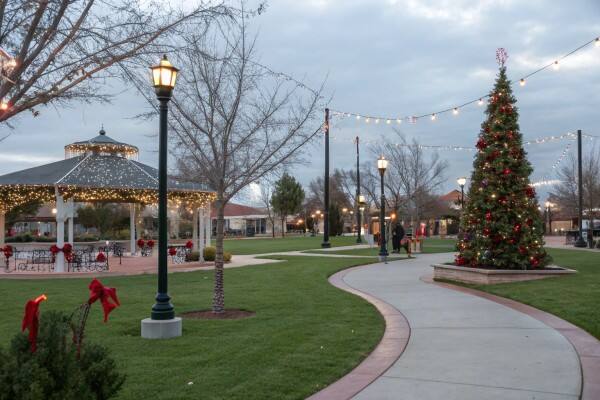
Když kupující požaduje světelné produkty pro venkovní festivaly, nikdy se nezastavím u slova „venkovní“. Použití venku může znamenat mnoho různých věcí. Může to být například krytá nákupní ulice, plot v parku, otevřená trávníková plocha nebo oblast u silnice. Každé místo vytváří jiný druh zátěže. světelný řetěz obalený kolem stromů má jiné požadavky než velká světelná dekorace umístěná poblíž chodníku. Ptám se na dešťové a větrné podmínky, vzdálenost návštěvníků, způsob upevnění a očekávanou dobu vystavení. Tyto údaje mi pomáhají doporučit vhodný typ produktu. Zároveň pomáhají kupujícímu vyhnout se slabým produktům v nesprávném prostředí.
| Otázka, kterou klím | Proč ji klím |
|---|---|
| Bude produkt používán venku? | Potřebuji znát míru expozice dešti a větru |
| Budou návštěvníci produkt dotýkat nebo stát v jeho blízkosti? | Musím zohlednit okraje rámu a vedení kabelů |
| Bude zavěšený, stojící nebo obalený? | Musím přizpůsobit konstrukci a příslušenství |
| Jaké napětí a jaký typ zástrčky jsou potřebné? | Potřebuji přizpůsobit nabídku požadavkům trhu a zákazníků |
| Jak dlouho trvá období výstavního zobrazení? | Musím zohlednit teplo, stárnutí a údržbu |
Vyhýbám se tvrzením, která leží mimo mé pravomoci
Můžu podporovat dodávku produktů, technické výkresy, logiku balení a přizpůsobení. Na základě zkušeností z výrobního závodu mohu diskutovat běžné problémy s venkovními produkty. Nemohu nahradit místního inženýra, instalatéra, konzultanta pro povolení ani příslušný orgán. Tuto skutečnost zdůrazňuji, protože práce s veřejným výstavním zobrazením vyžadují místní kontroly. Zákazník by měl vždy potvrdit způsob instalace, ukotvení, elektrické připojení a soulad s místními předpisy ve spolupráci s kvalifikovanými místními týmy.
Plánuji údržbu ještě před výskytem poruchy
Pronajímatelská společnost by neměla uvažovat o údržbě až po poruše. Rád zahrnuji náhradní žárovky, náhradní napájecí součásti, jasné označení a seznamy balení modulů, pokud je to vhodné. Také preferuji jednoduchou logiku připojení. Jasný systém produktu snižuje čas potřebný k odstraňování poruch [^7]. To je důležité během sezóny, protože každé zpoždění opravy může ovlivnit následující pronájem.
Jak může balení a doprava chránit můj pronajímací marži?
Výrobek může opustit továrnu v dobrém stavu. Ztrátu marže pozoruji, když jsou kartony slabé, smíšené, příliš velké nebo těžko identifikovatelné.
Balení a doprava chrání pronajímací marži snížením poškození, ztrát při přepravě, doby vykládky a nejasností při skladování. Balím podle modulů, kartony jasně označuji a způsob dopravy přizpůsobuji sezónnímu termínu a objemu výrobků.
Balení považuji za součást pronajímacího výrobku
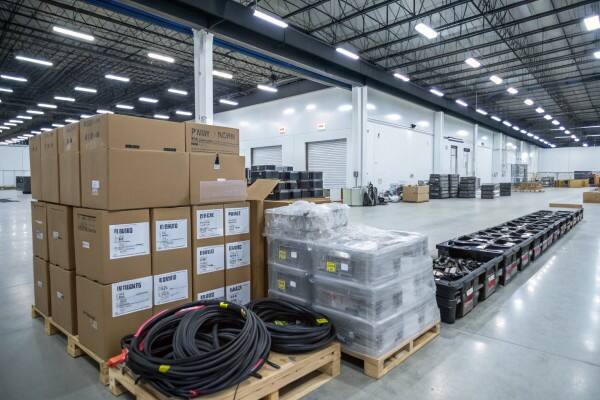
Pro půjčovny není balení odpad. Balení je součástí životního cyklu produktu. Stejný model Motif Light se může například přesunout na komunitní akci, vrátit se do skladu a poté se znovu přesunout. Pokud krabice nemá jasnou označku, tým ve skladu může otevřít několik krabic, aby našel jeden díl. Pokud rámová konstrukce nemá ochranu, lakování nebo LED trubice se mohou poškodit během přepravy. Pokud je sada řetězových světel zabalená bez jasného štítku, další montážní tým může strávit nadměrně dlouhou dobu tříděním.
| Podrobnosti o obalu | Jak to usnadňuje použití pro půjčovny |
|---|---|
| Název modulu na krabici | Umožňuje třídění ve skladu |
| Kód položky a množství | Umožňuje kontrolu zásob |
| Vnitřní ochrana | Sníží poškození rámu a LED |
| Taštička pro kabely nebo příslušenství | Zabraňuje ztrátě malých dílů |
| Packing list podle modulu | Pomáhá místním týmům připravit se rychleji |
Zvolím dopravu s ohledem na aktuální roční období
Většina světelných produktů pro oslavy je objemná. Některé jsou lehké, ale zabírají hodně místa. To ovlivňuje náklady na přepravu [^8]. Velký rámeček pro světelný motiv nemusí být těžký, ale může zvýšit objemovou hmotnost. Obvykle projednávám mořskou přepravu, železniční přepravu, silniční trasy nebo leteckou přepravu na základě cílového místa a časování v rámci ročního období. Pokud kupující potvrdí objednávku pozdě, může se způsob přepravy stát drahým. Pokud kupující potvrdí objednávku včas, mohu pomoci naplánovat balení a expedici s větší kontrolou.
Snížím záměnu kartonů s různými položkami
Raději se vyhnu náhodným smíšeným kartonům pro pronájmové balíčky [^9]. Smíšená krabice může vypadat efektivně na výrobní lince, ale v centrálním skladu může způsobit zmatek. Preferuji modulové balení. Například díly vstupního oblouku zůstávají pohromadě. Díly osvětlení s motivem stezky zůstávají pohromadě. Sady řetězcového osvětlení pro obalení stromů zůstávají pohromadě. Tato logika balení může snížit čas potřebný na vykládku a třídění. Také usnadňuje situaci, pokud si kupující chce pronajmout pouze část balení.
Jak přeměním své produkty na opakovaně použitelný kompletní dodací balíček?
Mnoho kupujících požaduje komplexní řešení. Nejlepší výsledky dosahuji tehdy, když definuji pojem „komplexní“ jako opakovaně použitelné dodávky, nikoli jako místní provoz.
Přeměňuji své produkty na opakovaně použitelný kompletní dodací balíček tak, že vytvořím standardní základní konstrukci, přidám přizpůsobené tematické vrstvy, zajistím přehledné balení a podporu sezónního plánování. Tím poskytuji pronajímatelům kontrolu bez nutnosti spoléhat na jednorázové nákupy.
Rozsah služby jasně definuji
Dodávka kompletního balíčku „klíč v ruce“ neznamená, že řídím místní akci. Znamená to, že pomáhám kupujícímu získat kompletní kombinaci produktů, kterou je snazší prodat, přepravit, nainstalovat místními týmy, udržovat a znovu použít. Podporuji výběr produktů, přizpůsobení, výrobu, kontrolu kvality, balení a vývoz. Kupující nebo jeho místní partneři zajišťují schválení rozvržení místa, instalaci, povolení, připojení k elektrické síti a provoz akce. Tento jasný rozsah působnosti předchází nesprávným očekáváním a zároveň usnadňuje spolupráci.
| Vrstva balíčku | Moje role dodavatele | Role kupujícího nebo místního partnera |
|---|---|---|
| Kombinace produktů | Navrhnout moduly a složení položek | Zvolit úroveň pronajímaného balíčku |
| Vlastní design | Podporovat diskuzi o motivu, barvě, logu a rozměrech | Schválit finální návrh |
| Výrobní | Výroba a kontrola produktů | Potvrďte detaily objednávky |
| Balení | Balení podle modulu a označení kartonů | Plánování skladového uložení |
| Doprava | Zajištění podpory exportního přepravního zásahu | Zpracování dovozu a místní doručení |
| Práce na stavbě | Poskytnutí informací o produktu | Správa instalace a místních pravidel |
Vytvářím tři úrovně pronájmu
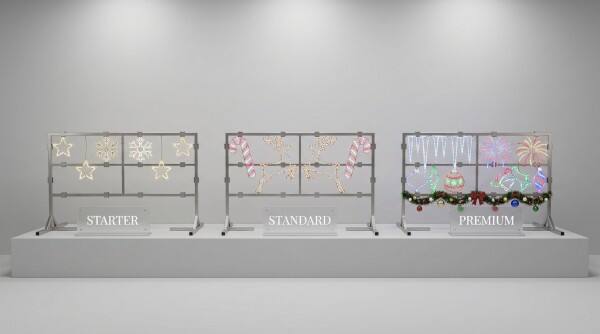
Často navrhuji kupujícím, aby připravili tři úrovně z jedné rodiny produktů. Základní balíček může obsahovat řetězové světlo pro chodníky, malé sady motivových světel a jeden vstupní prvek. Standardní balíček může doplnit fotografická místa, více motivů na tyče a silnější hlavní výkladní prostor. Premium balíček může zahrnovat individuální loga, větší rámy a více synchronizovaných vizuálních ploch. To pomáhá kupujícímu stanovit ceny pro různé rozpočty komunit, aniž by musel pokaždé znovu sestavovat celý seznam produktů.
Chráním marži opakovaným využitím
Ochrana marže vyplývá z opakovaného použití, nikoli pouze z nákupní ceny [^10]. Trvanlivý vánoční motiv světel, který lze pronajmout na několik sezón, může být lepší než levnější položka, která se poškodí [^11] nebo nebude odpovídat příštímu tématu. Standardní velikost rámu může snížit náklady na budoucí úpravy. Přehledný systém náhradních dílů může zkrátit dobu opravy. Dobrá metoda balení může snížit riziko poškození. Tyto detaily považuji každý rok za důležitější, protože kupující čelí stále kratším dodacím lhůtám a vyšším očekáváním ze strany svých vlastních klientů.
Komunikaci udržuji praktickou
Když zahajuji diskuzi o novém balíčku, rád požádám o čtyři základní informace: cílový trh, rozsah velikosti akce, směr tématu a termín dodání. Na základě těchto údajů mohu navrhnout strukturu produktu. Můžu také kupujícího upozornit, pokud by případné individuální úpravy mohly být pro danou sezónu příliš pozdní. Tato praktická komunikace šetří čas a zároveň pomáhá pronajímací firmě vytvořit trvalý produktový majetek místo nákupu rozptýlených dekorativních položek.
Závěr
Vytvářím nájemní řešení pro světelné festivaly v sousedství jako opakovaně použitelné systémy produktů s jasnými moduly, bezpečnými volbami pro venkovní použití, chytrou personalizací a balením, které chrání marži.
[^1]: „Plánování údržby pro modulární systémy – modely a algoritmy“ http://dspace.mit.edu/handle/1721.1/68972. Výzkum modulární architektury produktů ukazuje, že standardizované, vzájemně zaměnitelné komponenty snižují dobu údržby a prodlužují životnost produktu v kontextu pronájmu a opakovaného použití, i když se studie zaměřují především na průmyslové zařízení a nikoli specificky na dekorativní osvětlení. Role důkazu: obecná podpora; typ zdroje: výzkum. Podporuje: Zásady modulárního návrhu snižují složitost údržby a zlepšují znovupoužitelnost v systémech zařízení. Poznámka k rozsahu: Studie se zaměřují především na průmyslové zařízení a nikoli specificky na dekorativní osvětlení.
[^2]: „Náklady během celého životního cyklu (LCC) | www.waru.edu ", https://www.waru.edu/acquipedia-article/life-cycle-cost-lcccelková analýza nákladů na vlastnictví, která je široce vyučována v oblasti zakázek a řízení dodavatelských řetězců, zahrnuje náklady na pořízení, provoz, údržbu a likvidaci, čímž ukazuje, že počáteční nákupní cena představuje pouze zlomek celkových životních nákladů na vybavení. Role důkazu: definice; typ zdroje: vzdělávání. Podporuje: Metodika účtování celkových nákladů na vlastnictví (TCO) zahrnuje kompatibilitu, údržbu a provozní náklady nad rámec počáteční nákupní ceny.
[^3]: „[PDF] Studie hospodářské činnosti v oblasti opětovného využití, oprav a … v Minnesotě“ https://www.lrl.mn.gov/docs/2023/other/230698.pdfanalýza průmyslu pronájmu vybavení identifikuje využití aktiv – schopnost pronajmout stejné vybavení několikrát – jako základní ukazatel ziskovosti, přičemž opětovné využití má přímý dopad na návratnost investic. Role důkazu: obecná podpora; typ zdroje: výzkum. Podporuje: Opětovné využití aktiv a míra jejich využití jsou hlavními faktory ovlivňujícími ziskovost v modelu podnikání v oblasti pronájmu vybavení.
[^4]: „Značení a orientační systémy | Město Belmont“ https://www.belmont.gov/departments/community-development/signage-and-wayfindingvýzkum v oblasti návrhu akcí a environmentální psychologie ukazuje, že uspořádání instalací podél přirozených tras pohybu návštěvníků zlepšuje orientaci, zapojení a celkové zažití návštěvníků, i když konkrétní aplikace na světelné instalace jsou méně zdokumentovány. Role důkazu: obecná podpora; typ zdroje: výzkum. Podporuje: Výzkum návrhu akcí podporuje uspořádání instalací podél tras pohybu návštěvníků za účelem zlepšení orientace a celkového zažití. Poznámka k rozsahu: Konkrétní aplikace na světelné instalace jsou méně zdokumentovány
[^5]: „Optimalizace minimálního množství objednávky surovin – DSpace@MIT“ https://dspace.mit.edu/handle/1721.1/121302literatura o řízení výroby a provozu vysvětluje, že minimální objednávací množství vyplývají z nákladů na přípravu výroby a ekonomiky dávkové výroby a fungují zároveň jako výrobní omezení i jako signály pro rozhodování o nákupním plánování. Role důkazu: mechanismus; typ zdroje: vzdělávací. Podporuje: Minimální objednávací množství odrážejí ekonomiku dávkové výroby a slouží jako plánovací parametry při nákupních rozhodovacích procesech.
[^6]: „Kód IP – Wikipedie“ https://en.wikipedia.org/wiki/IP_codemezinárodní normy pro elektrická zařízení (např. IEC 60529 pro klasifikaci IP) klasifikují požadavky na ochranu proti prostředí na základě expozice vlhkosti, částicím, extrémním teplotám a mechanickému namáhání, přičemž různá venkovní umístění vyžadují různou úroveň ochrany. Role důkazu: mechanismus; typ zdroje: státní. Podporuje: Normy pro elektrická zařízení definují různé faktory environmentálního namáhání, včetně vlhkosti, teploty, UV záření a mechanického nárazu, v závislosti na místě instalace.
[^7]: „Inženýrství spolehlivosti – Wikipedie“, https://en.wikipedia.org/wiki/Reliability_engineeringvýzkum v oblasti inženýrství spolehlivosti a správy údržby ukazuje, že standardizované komponenty a jasná dokumentace systému výrazně snižují průměrnou dobu opravy (MTTR) zjednodušením diagnostiky poruch a identifikace dílů. Role důkazu: obecná podpora; typ zdroje: výzkum. Podporuje: Výzkum v oblasti inženýrství spolehlivosti ukazuje, že standardizace systému a jasná dokumentace snižují dobu diagnostiky a trvání údržby.
[^8]: „Úvod do cenového modelu založeného na rozměrové hmotnosti (DIM) | Symbia Logistics“ https://www.symbia.com/resources/introduction-to-dimensional-weight-pricing/zásady řízení logistiky a dopravy zahrnují cenování na základě rozměrové hmotnosti (nebo objemové hmotnosti), kdy se náklady na přepravu vypočítají na základě objemu, je-li náklad lehký ve srovnání se svou velikostí, což odráží ekonomiku využití prostoru při dopravě. Role důkazu: mechanismus; typ zdroje: vzdělávání. Podporuje: Modely cenování přepravy využívají výpočtů rozměrové hmotnosti, které zohledňují objem nákladu v případech, kdy převyšuje využití prostoru založené na hmotnosti.
[^9]: „Co je to výběr a balení zboží na skladě: metody a osvědčené postupy“ https://www.fishbowlinventory.com/blog/warehouse-picking-and-packing-everything-you-need-to-knowvýzkum řízení skladů a logistiky ukazuje, že organizované uskladnění podle kategorií zboží nebo modulů snižuje dobu výběru objednávek, chyby při manipulaci a dobu vyhledávání zásob ve srovnání s přístupy, které kombinují různé položky v jednom prostoru. Role důkazu: obecná podpora; typ zdroje: výzkum. Podporuje: Výzkum řízení skladů prokazuje, že organizované, kategorií založené uskladnění snižuje dobu výběru objednávek a chyby při manipulaci ve srovnání s uskladněním různých položek společně.
[^10]: „Ekonomický nájem – Wikipedie“, https://en.wikipedia.org/wiki/Economic_rentekonomická analýza modelů podnikání v oblasti pronájmu vybavení ukazuje, že hrubá marže je především určena mírou využití a frekvencí pronájmu, nikoli počátečními nákupními náklady, neboť nemovité aktiva musí generovat příjem v rámci více pronájmových cyklů, aby byla dosažena ziskovost. Role důkazu: obecná podpora; typ zdroje: výzkum. Podporuje tvrzení: Ekonomika pronájmového průmyslu identifikuje míru využití aktiv a frekvenci pronájmových cyklů jako hlavní faktory ovlivňující marži, často převyšující vliv počátečních nákupních nákladů.
[^11]: „Publikace 527 (2025), Bytové pronájmové nemovitosti – IRS“ https://www.irs.gov/publications/p527finanční analýza nájemních aktiv ukazuje, že prodloužená užitná životnost a odolnost zvyšují návratnost investice tím, že se pořizovací náklady rozprostírají na větší počet nájemních cyklů, často tak převyšují výhody nižší počáteční nákupní ceny. Role důkazu: obecná podpora; typ zdroje: vzdělávací. Podporuje: Správa aktiv a finanční analýza ukazují, že užitná životnost a odolnost ovlivňují návratnost investice významněji než počáteční pořizovací náklady v nájemních obchodních modelech.

Obsah
- Světelné festivaly v sousedství: Poskytujeme kompletní nájemní řešení pro komunity?
- Proč rozptýlené nákupy oslabují nabídku pronájmu světel pro místní světelné festivaly?
- Jaké moduly bych měl zahrnout do portfolia světelných prvků pro festivaly, které jsou připraveny k pronájmu?
- Jak mám zpracovat individualizaci, aniž bych zpomaloval dodání v rámci sezóny?
- Jaké otázky týkající se odolnosti a bezpečnosti v exteriéru bych měl(a) vyřešit před nákupem?
- Jak může balení a doprava chránit můj pronajímací marži?
- Jak přeměním své produkty na opakovaně použitelný kompletní dodací balíček?
- Závěr